
ŠTO TE NEMA LAB
The ŠTO TE NEMA LAB program creates temporary spaces for learning, exchange, reflection, and artistic action. Through participatory formats, we invite communities to examine how memory is shaped, shared, and carried forward. Each LAB is developed in response to its local context, using art as a tool for thinking, experimentation, and remembering together.
Experimental Workshops
Hands-on sessions where participants develop artistic approaches to remembrance. Through drawing, conversation, shared reflections, and working with collected cups, ritual gestures, and collaborative processes, these gatherings explore how memory can be activated and shared in a group setting. Each session is adapted to the size of the group, the local setting, and the participants.
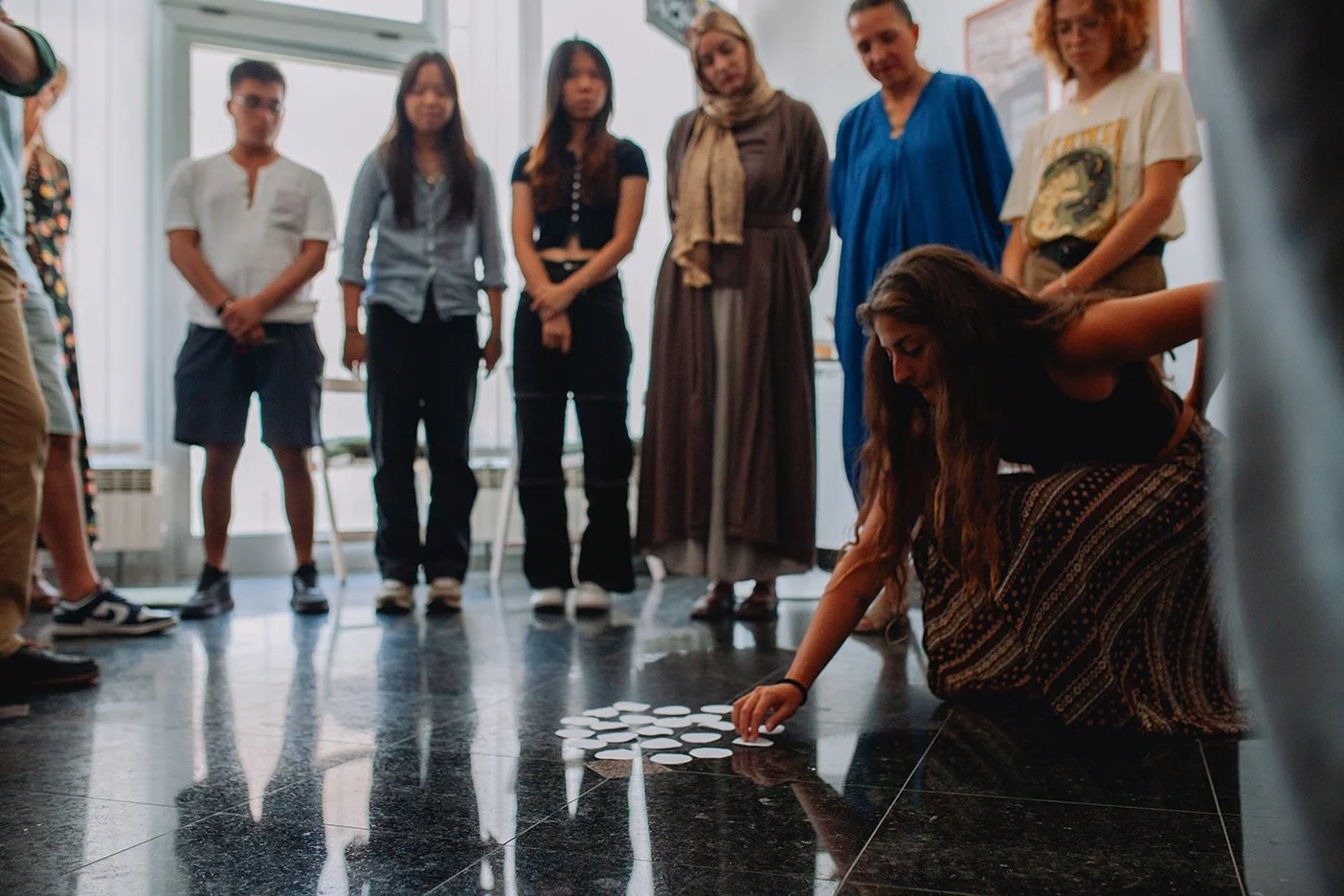
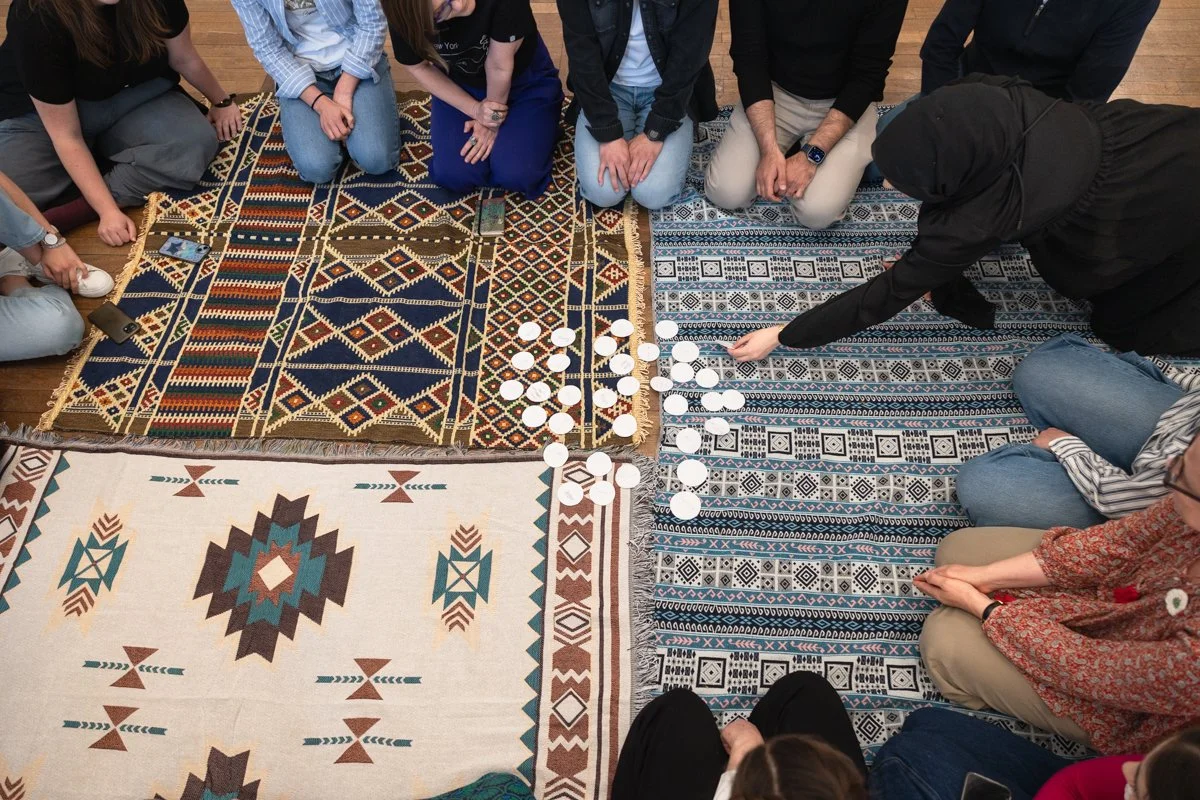
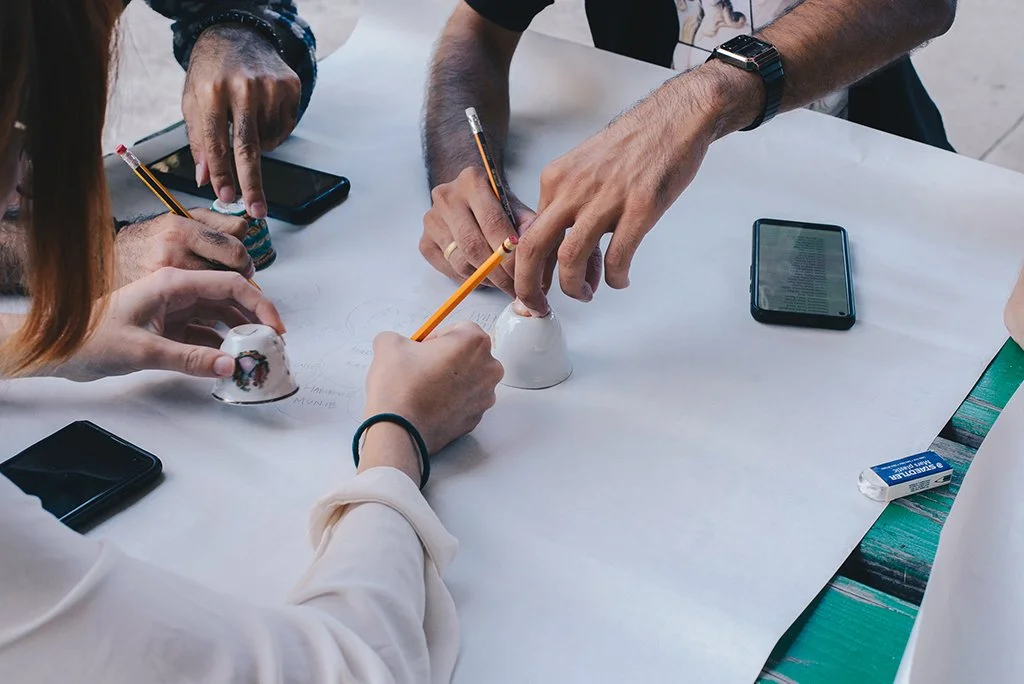
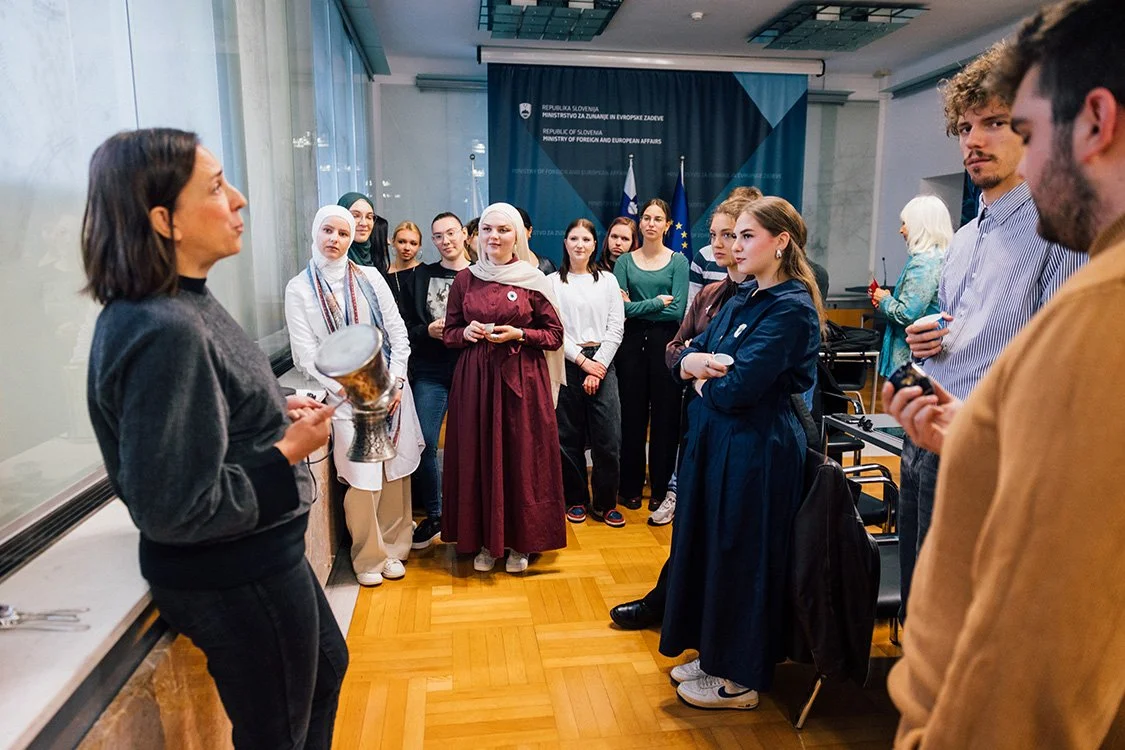
photo credit: Amina Hećimović, Ajla Salkić, Velma Babić
Performance - Lectures
Hybrid formats that combine artistic presentation, storytelling and critical reflection.
Drawing on research, lived experience, and visual elements, this performance lecture examines questions of care, accountability and agency through art. They are part performance, part lecture, and part collective listening, engaging audiences intellectually and emotionally.
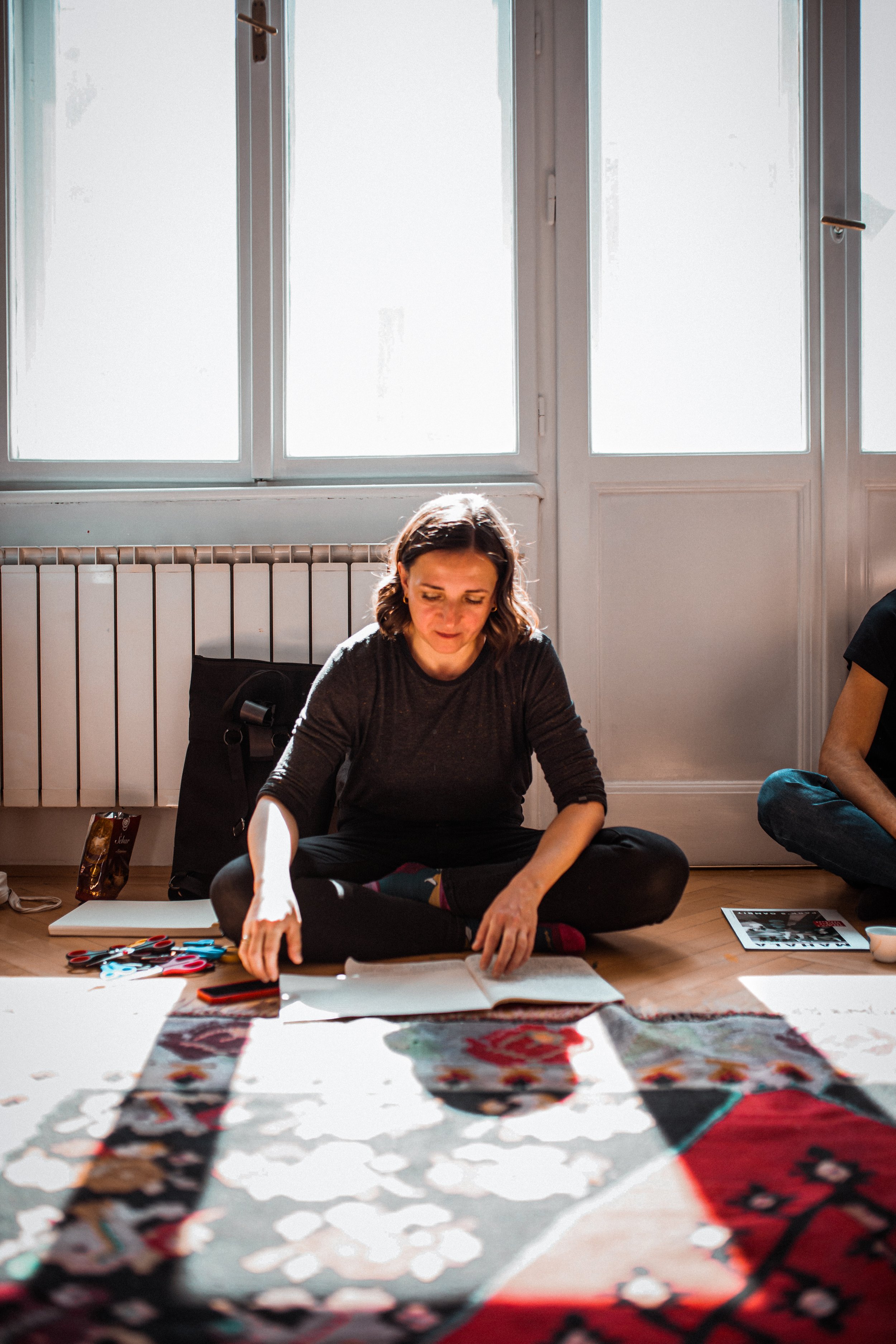
photo credit: Amina Hećimović
Dialogues on the role of memory, memorials and monuments in public spaces. These conversations bring together survivors, artists, educators, scholars, and practicioners to consider whose histories monuments represent or exclude, and what it takes for them to remain meaningful for generations to come. Formats include discussions, panels and seminars.
Public Conversations
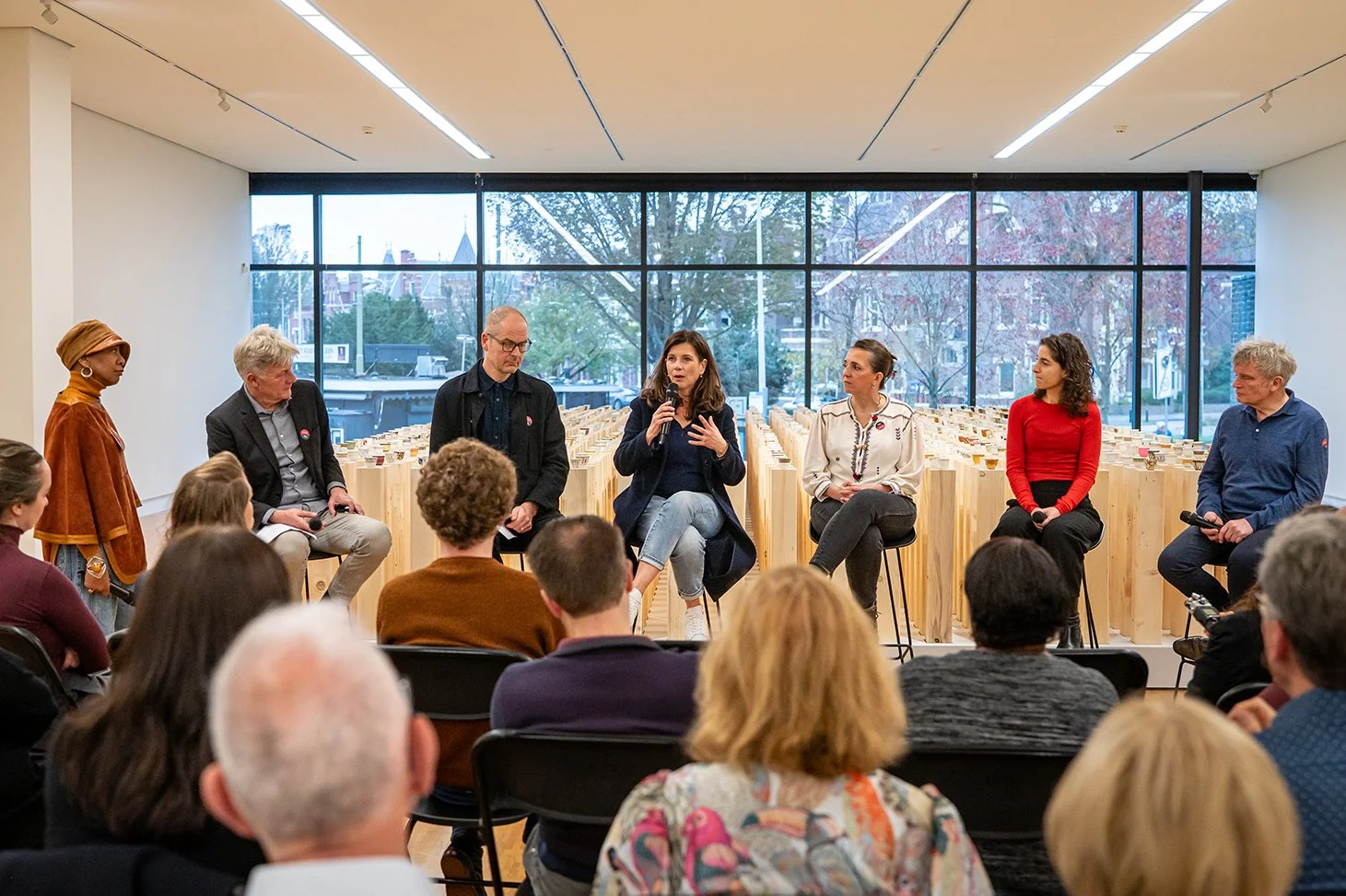
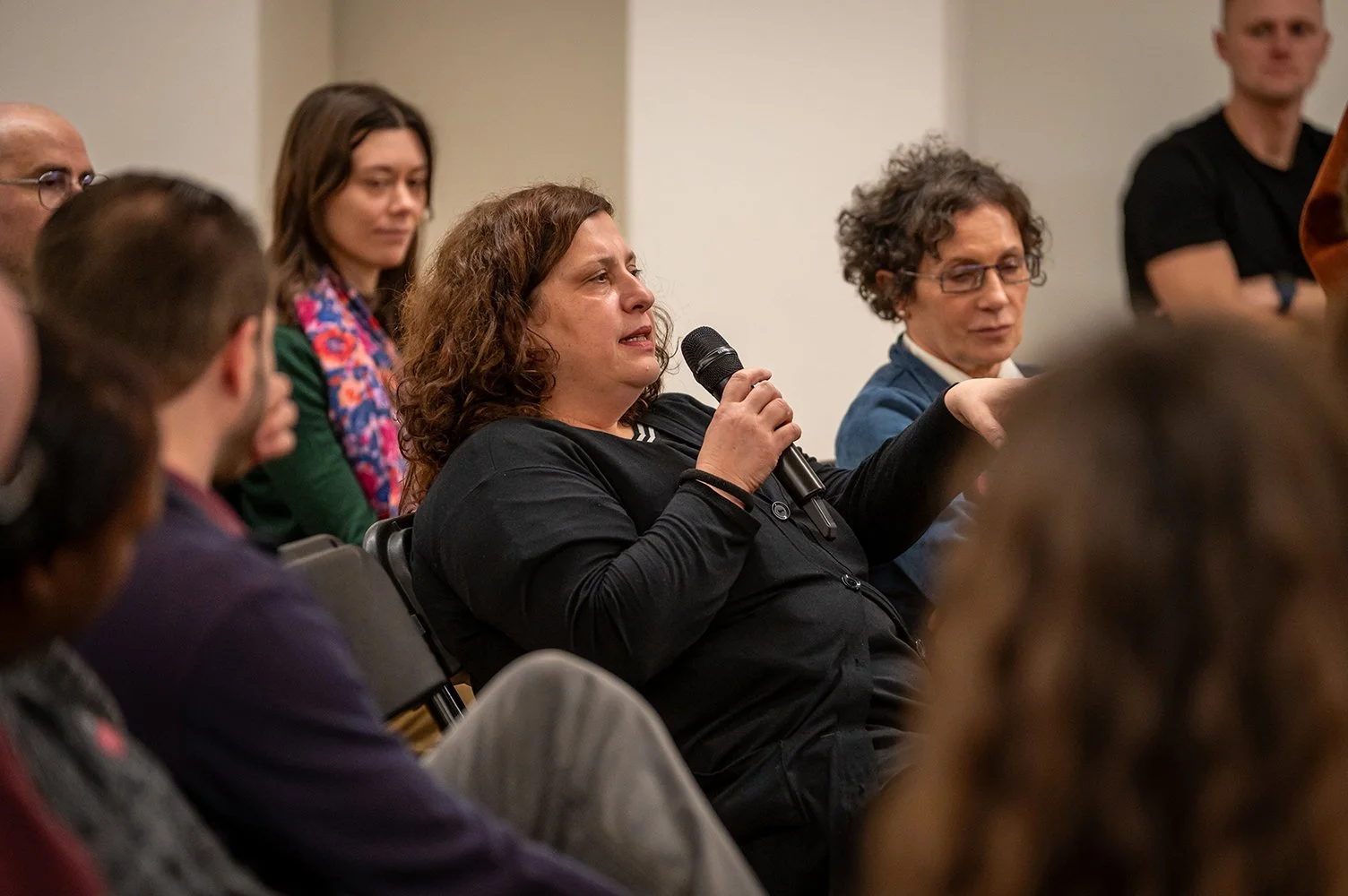
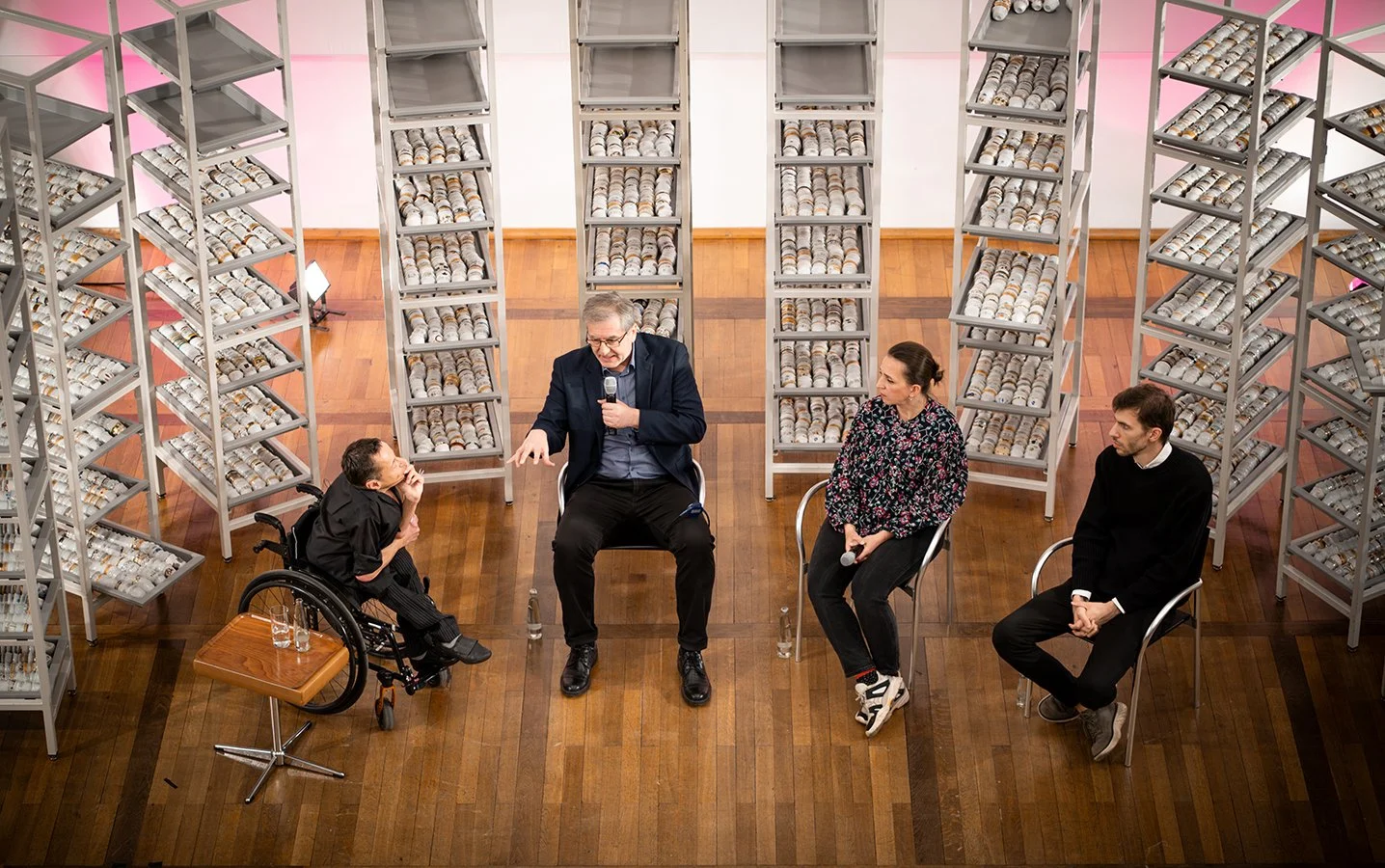
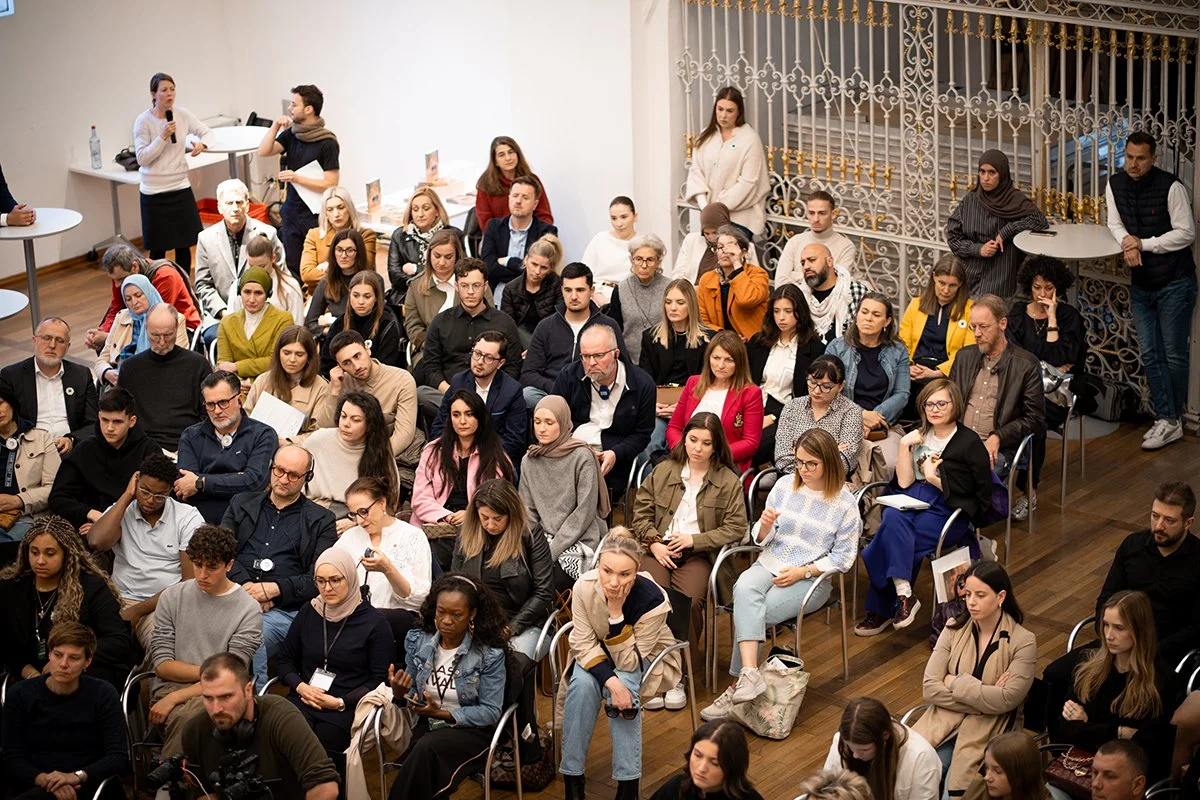
photo credit: Franck Doho, Alvin Kalebić